THE STRANGE CONFESSION
There are infinite ways to design games. This is one of them. It is based on the underlying philosophy of the SNAP! SRD by Thought Punks / Rev Casey. It is opinionated. We encourage you to also shamelessly share your visions. Write your manifestos. Post calls to action. Encourage the art you want to see.
- We believe the fiction and the structure are one thing with two mouths, not partners, not allies, indivisible.
- We believe the story must never stop, that stalls are design failure, that every roll must deliver something to hold.
- We believe genre is gravity, physics, natural law written into the bones of the game.
- We believe the silliest cartoon nonsense and the most devastating personal drama live at the same table in the same breath.
- We believe your character’s layers should fight each other and your flaws are the most valuable things you own.
- We believe relationships are engines and transformation is the point and the knife should always be shown before it cuts.
- We believe in stealing shamelessly from every tradition that has ever made a room disappear and pledging allegiance to none of them.
- We believe games are alchemical tools, that imagination does not respect the boundaries we draw around “just playing”, and that you can discover what is to be human with nothing but dice and index cards and a willingness to mean it.
If that sounds like the work you want to be doing: this is how we work. Come with us.
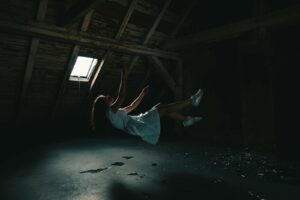
The room is gone. The boundary is gone. You are somewhere else now.
You are leaning forward and you do not remember leaning forward. Your hands stopped moving. Someone across the table is holding their breath and you can hear it, the absence of air, the held moment before whatever comes next. The fiction swallowed you whole and you went willingly, you went eagerly. Because this is it. This is the thing. This is why you came here and why you keep coming back and why nothing else scratches this particular itch.
The game is not a game anymore. It never was. It was always a door and you just walked through it.
We know. We’ve been there. We live there, when we are lucky, when the design works, when everything aligns and the table becomes a crucible and we are remade inside it. We are not interested in passive entertainment. We are interested in active transformation. We are interested in the place where the fiction stops being fiction. And especially where it starts being a tool for cracking yourself open and finding out what lives inside.
This is the forbidden alchemy. This is what we do. We use games to shatter the walls between the imagined and the lived, between the playful and the profound, between the ridiculous and the sacred. We believe human imagination is vast and wild and does not respect the polite boundaries we draw around “just a game”. We believe the internal worlds we build at tables are real in every way that matters. We design to honor that reality.
This is not an accident. This is not a gift the dice give when they feel generous. This can be built. This can be made more likely. This is architecture and we are architects. We will share our vision with you because we want you to build it too. Because the more of us who build this way, the more of these moments exist in the world. And we are greedy for them. We are hungry for them. We will never have enough.
A critical secret: fiction and structure are not two things.
We know how this sounds. We know you have been told they are partners, or allies, or that one serves the other. That “fluff” and “rules” live in their own separate universes. Forget that. Burn it.
The fiction and the structure are the same thing speaking with two mouths. When you feel the weight of a choice in your chest, that weight is coming from both at once, indivisible, one pressure with two names. The story says this matters. The structure says this costs. They are not agreeing. They are being the same thing.
Design that treats them as separate is a failure state here. The seam is the failure. The gap is the failure. We build until we cannot find the seam anymore. Until you cannot tell where the story ends and the structure begins. Until the question of which matters more becomes incoherent because there is nothing to compare. This is the foundation. We do not argue about this. We do not compromise on this. This is our truth.
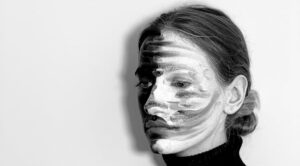
We ride the paradox.
The same table, the same night, the same breath: You are laughing so hard your sides hurt, You are also learning something true about yourself that you will carry for years. The silly and the serious are not enemies. The casual and the transformative are not opposites. Genres are not distinct buckets.
We reject the demand to choose between them. We reject all the lies across the spectrum: that depth requires solemnity, that play must be frivolous, that you cannot explore what it fundamentally means to be human through a cartoon duck who fights crime or a vampire who misses their mother or a spaceship crew arguing about whose turn it is to clean the recycler.
Some of the most profound moments we’ve seen came wrapped in absurdity. The most healing catharsis we felt arrived through fiction so ridiculous we would be embarrassed to explain it to anyone who was not there. On the other side, there are laugh out loud moments enduring years later that came from scenes in otherwise deeply somber games. This is not a bug. This is the feature. Human beings are ridiculous and serious at the same time, in the same breath, and the games that honor both are the games that crack us open widest.
We are not a school. We are not a movement with an acronym. We do not care whether your inspiration comes from what people would call trad, indie, OSR, or some other perceived niche. We take what works. We steal shamelessly from every tradition that has produced a moment worth stealing from. Approaches over allegiances. Results over tribes. If it makes the room disappear, if it empowers the paradoxes, it belongs to us.
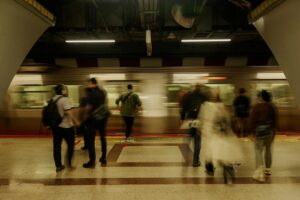
The story does not stop.
We refuse to let it. We design to make stillness impossible. Every touch of chance, every reach for a resource, delivers something. Every roll lands somewhere. Every moment opens into the next moment with something new to hold, something new to carry, something demanding your response. The river moves. The river must move. “Nothing happens” is a design failure, not bad luck, not a boring player, not an off night. The structure ought to prevent this. If it does not prevent this, the structure is broken.
Failure pushes forward. Success twists sideways. The world reacts, the world has opinions, the world is taking notes on what you did and how you did it and what it thinks you deserve. The dead pause, the empty result, the shrug and the sigh and the “okay so nothing changes”: these are wounds we are trying to heal. We have felt them. We watched tables bleed out from them. We will not permit them if we can prevent them, and we can prevent them, and so can you.
Genre is not decoration. Genre is gravity.
The cartoon character survives the fall because cartoon physics say she survives the fall. Because this is a world where bodies stretch and flatten and reconstitute, where the pain is real but the damage resets, where death is a vacation you come back from. This is not negotiable. This is not aesthetic preference. This is the law of that world, as binding as the speed of light in ours.
The noir detective finds the clue because noir physics say detectives find clues. Because the genre needs them found for the story to work. Because the shadows cooperate when the story requires cooperation. The horror victim dies alone because horror physics say isolation kills, because the genre enforces its own rules with the same blind indifference as a cliff enforces gravity on the body that falls from it.
Build for this. Write the genre into the structure until it feels like natural law. Until violating it feels wrong, body wrong, before the mind even notices. Until the constraints stop feeling like restraints and start feeling like the walls that make the room a room. The limitations are not limitations. The limitations are where you live. The limitations are the shape of the art.
You are not one thing. You never were.
You are the collision. The friction point. You are what happens when the story you came from scrapes against the nature you embody scrapes against the philosophy you carry. The layers do not agree because they were never supposed to agree. They pull in different directions and that pulling is where the drama lives. That tension is the engine, the disagreement that gives the fiction somewhere to go.
A character whose layers align perfectly like a mechanical song is a character who has finished before they started. Nothing to discover. Nothing to sacrifice. Nothing to choose between because all the choices point the same direction. We design for friction. We design for the moment when you realize you cannot serve all the parts of yourself at once. When something has to give. When you choose which piece of who you are gets to win and which pieces have to watch it happen and bitterly remember.

People matter. Connections matter. Not as backstory. Not as flavor. As engines.
Every relationship generates something. Obligation, affection, resentment, need, the memory of what you did, the memory of what you failed to do. They call in debts. They drift when ignored. They have opinions about you that will crystallize into action when the moment demands. The stakes are not abstract when someone you care about is standing in the fire. Victory means something different when the cost lands on someone whose face you have imagined, whose name you know.
Design to make this real. Make the connections bear mechanical weight. Make it impossible to write “family: loving, deceased” and forget about them forever. The web of relationship should generate play the way a generator generates electricity. It should be the reason you cannot rest, should be the reason the next session matters, should turn “I win” into “I win… but what does she think of me now”. The void without them is exactly that: void. A voice echoing back. Nothing at stake but numbers moving. Make them alive. Make them real. Make them matter.
The cracks are where the light comes in.
The flaws, the compulsions, the fears that freeze you, the hungers that make you reckless: Those are not penalties subtracted from your competence. These are the most valuable things you own. They generate scenes. They create friction. They are the reason anyone at the table leans forward when you speak.
We’ve watched it happen. Someone lets their character fail because the flaw demanded it. Someone chooses the worse option because that is what they would do, this person they are pretending to be, this fragile constructed thing they have poured themselves into. And everyone else at the table feels it land. The electricity is there. The moment is there. The room disappears.
Design to reward this. Make the flaw feel precious. Make it feel like a gift you get to give yourself, an engaging piece of discovering what happens, not a tax you pay for your strengths. The best moments come from weakness. They always have. The vulnerability is the point. The exposure is where the art lives.
You will not walk away unchanged.
We mean the character. The marks accumulate, the transformations compound, the person at the end is not the person at the beginning and that gap is visible and permanent. The wounds heal crooked. The memories weigh. What you did to survive becomes part of who you are and you cannot go back. And you were never supposed to go back.
But we also mean you. The player. The person at the table. You will learn things about yourself through the choices you make for people who do not exist. You will find cruelties you did not know you had, kindnesses you did not believe in, limits you did not know existed until you felt them give. The fiction is a mirror and sometimes the reflection stares back wrong and you feel something shift in your chest. Now lingers some understanding that was not there an hour ago, some weight you will carry out the door with you.
This is what we are trying to do. This is the actual work. Bleed is intentional. Design for transformation. Make it visible. Make it mechanical. Make it impossible to play long enough without becoming something you were not when you started.
Bleed is powerful. Transformation is powerful. And power demands care. When we say we design for bleed, we do not mean we ambush players. Build structures that make depth possible and visible. Treat that depth as something to steward, not exploit. The table is a shared creative space where intensity is invited, calibrated, and respected. Transformation should feel earned, chosen, and integrated, not extracted. Where fiction reaches into real places, do so with consent, with awareness, and with the understanding that every person at the table is more important than any given moment we are trying to create.
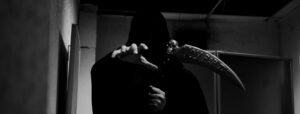
Show them the knife.
Let them see the edge. Let them understand, in their bodies, what happens if they reach for it. The surprise is cheap. The ambush is cheap. The gotcha is the tool of those who cannot make you afraid with your eyes open.
Tension is built from anticipation. From watching the threat approach and not knowing if you are fast enough, clever enough, willing to pay the price it will demand. From choosing to face it anyway, or choosing to run, or choosing to let someone else stand in front of you. The tension lives in the choosing. The teeth should be visible. The danger should be announced. Fear that comes from not knowing is just confusion. Fear that comes from knowing exactly what will happen if you fail? That is dread. That is what we are trying to build.
A system should want something.
Not flexibility. Not universality. Not the ability to do everything adequately. A system should push toward a particular experience, a particular quality of play, a particular set of values about what kinds of stories are worth telling and what it should feel like to tell them.
We design with opinions. We leave things out because they do not serve the vision. We cut what does not belong even when it hurts, even when someone is disappointed, because focus is the price of this work and we are willing to pay it. We bloodily create the empty space necessary for our vision to grow. Attempting to do everything is the refusal to commit to anything. We refuse the refusal. We commit.

We are trying to build the moment when the room disappears and you forget where the game ends and where you begin.
All of this. Everything. The unity of fiction and structure. The river that will not stop. The genre as gravity. The paradox of silly and serious. The identity as friction. The relationships as generators. The flaws as gifts. The transformation as purpose. The knife shown before it cuts. The vision that will not compromise. The refusal to pledge allegiance to any tribe except the tribe of this works, this lands, this makes something happen.
All of it exists to make that moment more likely. All of it exists because we have felt it, because we are ravenously hungry for it. Because we believe it can be built and pursued and made more frequent without losing its power. We are alchemists. Our common ritual tools are dice and index cards and pencils with the erasers worn down to nothing. With these absurd tools and a touch of creativity, we look inside human beings to find out what is living inside them, we casually erase the boundary between the real and the imagined.
The boundary between game and life is a lie we were told to keep us manageable. To allow us to pretend that it is “just a game” and everything that happens in it lives neatly inside its “magic circle”. But imagination is not contained. The internal worlds we build bleed into who we are, who we are bleeds into what we build, and the loop does not close and was never supposed to close. We do not apologize for this. We celebrate it. We design for the bleed. We design for the transformation. We design for the moment when you walk away from the table carrying something you did not have when you sat down.
We are not done.
We will never be done.
The door is open. Walk through it. Come build with us.
Signed in strange nonsense,
All those who confess with us